
Values on the wall, or values in the room?
Most organisations have values on the wall. The difference between underperforming and high-performing teams is whether those values show up in everyday behaviour.
 Lucy McGibbonFounder and CEO, Teamscapes
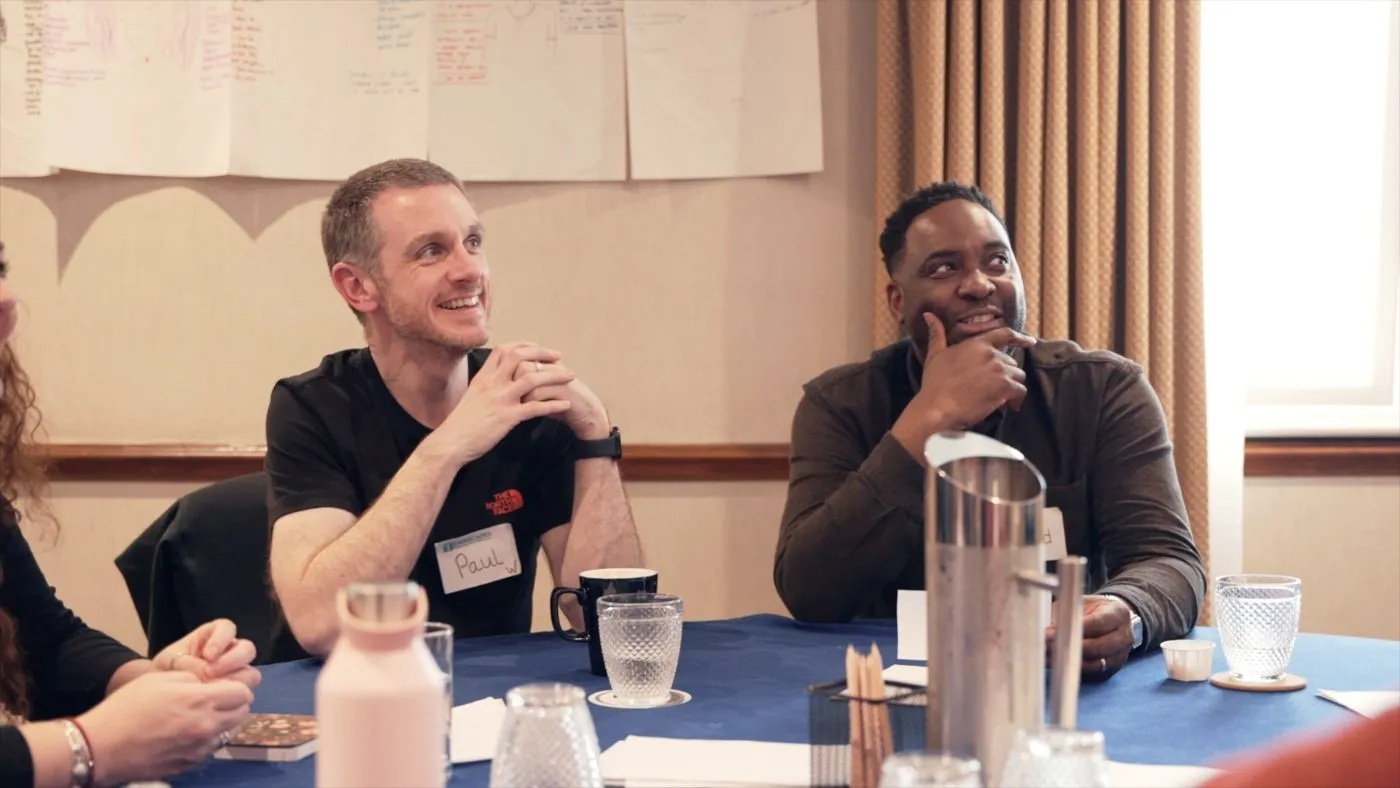
Company values are the guiding principles that shape organisational culture, drive decision-making and define a company’s identity. But how far those values are embraced and built into daily work has a big impact on team performance. Here we look at how underperforming teams relate to their company values, and how that differs from high-performing teams.
Understanding company values
Company values express the fundamental beliefs and principles that guide an organisation’s actions and behaviours. They reflect what the company stands for, its culture and its commitment to stakeholders. Whether it’s integrity, teamwork, innovation or customer focus, values set the standard for how people treat each other and approach their work.
Underperforming teams
In underperforming teams, there is often a gap between the stated values and the behaviours people actually see. That gap shows up in several ways:
- Lack of alignment: Team members may not fully understand or buy into the values, so individual goals drift away from organisational objectives.
- Inconsistent behaviour: Despite the values on the wall, people don’t consistently behave in line with them. That inconsistency erodes trust, collaboration and morale.
- Limited accountability: Under pressure to deliver, teams may overlook or ignore the values. That undermines the integrity and reputation of the team and the wider organisation.
- Lower performance: Ultimately, failing to live the values holds performance back, hurts productivity and can create a culture of disengagement.
High-performing teams
High-performing teams, by contrast, are closely aligned with their company values, and that alignment drives their success:
- Shared purpose: Members are united by a common purpose that fits the company’s values. They understand how their own contribution supports the organisation’s wider goals.
- Values-driven behaviour: The values show up consistently in daily interactions and decisions. That shared commitment builds trust, transparency and collaboration.
- A culture of accountability: Team members hold themselves and each other to account for living the values, keeping standards high and delivering results.
- Better performance: By living the values, high-performing teams create an environment that supports innovation, resilience and continuous improvement, and positions the organisation for long-term success.
- Wellbeing and health: A culture that prioritises wellbeing and alignment with shared values helps people thrive personally and professionally. From less stress and burnout to better mental and physical health, the benefits reach well beyond the workplace.
Conclusion
Underperforming and high-performing teams relate to their company values very differently. Underperforming teams struggle with alignment, inconsistent behaviour and limited accountability. High-performing teams use their values as a source of strength, unity and competitive advantage. By prioritising values-driven behaviour, building a culture of accountability and creating a shared purpose, organisations help their teams reach their potential.
The benefits of values alignment also go beyond performance measures, to the wellbeing and health of the people in the team.
In the end, a team’s success is measured not only by its results but by its commitment to the values that define it.
If your values aren’t showing up in how people behave day to day, that’s exactly what our Strategy & Culture work is for.
Ready to find out what’s really going on with your team?
Request a free Team Diagnostic: 45 minutes with Lucy, and your written Team Snapshot within 48 hours. No pitch.
Found this useful? Get the next one.
New articles from Lucy, only when there’s something worth reading. Unsubscribe any time.
More on strategy and culture.



Want your values to show up in the room?
45 minutes with our senior team. Tell us what you’re seeing in your team, and your Team Snapshot follows within 48 hours.
Request a free Team Diagnostic45 minutes with our senior team→