
Why the team day fades by Monday, and what makes it stick.
A good team day can leave everyone energised on Friday and back to old habits by Monday. It’s rarely the day that’s the problem. It’s what happens either side of it.
 Lucy McGibbonFounder and CEO, Teamscapes
In short
- Team days fade when they’re run as one-off events, not one part of something bigger.
- Insight on the day isn’t enough. People need specific commitments, and a debrief that links every activity back to real work.
- A short follow-up a few weeks later does more for lasting change than a longer day.
Most of us have been there. The day goes well. People laugh, solve problems together, say things they don’t normally say. The feedback forms are glowing. Then, a fortnight later, the same tensions are back in the same meetings, and someone asks whether the day was worth it.
After more than 30 years of designing team days, I don’t think the problem is usually the day itself. It’s that the day was asked to do everything on its own.
Three reasons the energy drains away
1. The day was an event, not a part of something
A team day is often booked because something needs fixing, but nobody has agreed exactly what. Without that clarity, the day can only be generally positive. It has nothing specific to change, so nothing specific changes.
2. Insight without commitments
Activities are good at making behaviour visible: who takes over, who goes quiet, what happens under time pressure. But noticing a pattern isn’t the same as agreeing to do something about it. If the day ends on a high rather than on decisions, people go home with a feeling, not a plan.
3. Monday looks exactly like Friday
People return to the same inbox, the same meetings and the same manager. If nothing in the working week has changed to support what was agreed, old habits win. Not because people don’t care, but because habits are easier.
People come away with a focus to work on, and that learning translates back into the business for months afterwards.
Karl Wolff-White · HR & Learning and Development Manager, Mercedes-AMG HPP
What makes it stick
Start with what’s actually going on
Before we design anything, we ask why the day is happening now. Is it trust, silos, communication, confidence, or something that’s changed recently in the business? When Veolia’s HR team had been split into two units after a period of change, the day was built around those dynamics and the sensitive issues behind them, not around a menu of activities.
Debrief every activity, not just the day
The activity creates the moment. The debrief creates the shift. Every exercise should end with the same question: where does this happen at work? That’s what turns “that was fun” into “that’s exactly what we do in the Monday meeting”.
Leave with commitments the team owns
The last part of the day should be the most practical. A small number of specific changes, agreed by the team rather than handed to them, with a name against each one. Three commitments people remember beat ten on a flipchart.
Come back to it
A short follow-up session a few weeks later, even an hour online, changes the day from an event into the start of something. It gives the team a reason to act on what they agreed, and a moment to adjust what isn’t working. In every session we run, that’s the review we hold with you a few weeks on.
While we acknowledge that our team-building journey is ongoing, this experience was undoubtedly necessary and instrumental in breaking down some of the existing barriers.
Keeley Jones · Head of HR – Commercial, Veolia
Give the team a shared language
Teams that have a common way to talk about how each person works find it easier to keep the conversation going afterwards. A psychometric tool like Lumina Spark can give a day that frame, so “you’re overextending again” becomes something people can say kindly, and act on.
If you only do one thing
Before booking your next team day, write down the one thing you want to be different three months later. If you can’t, start there. That’s the conversation that decides whether the day fades by Monday or becomes the moment things changed.
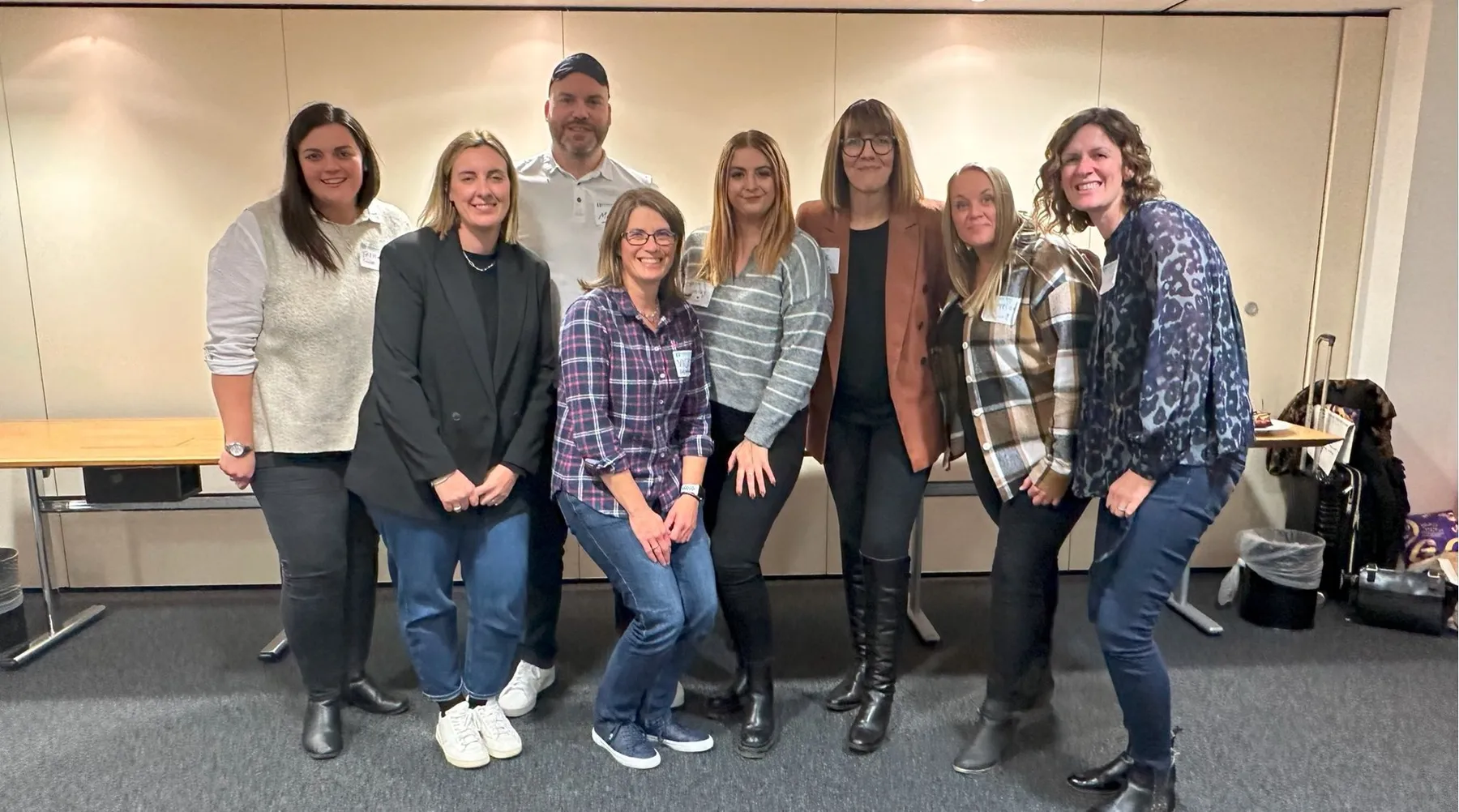 Client story · VeoliaTwo halves of one HR team, talking again.Read the story →
Found this useful? Get the next one.
New articles from Lucy, only when there’s something worth reading. Unsubscribe any time.
More on team performance and change.
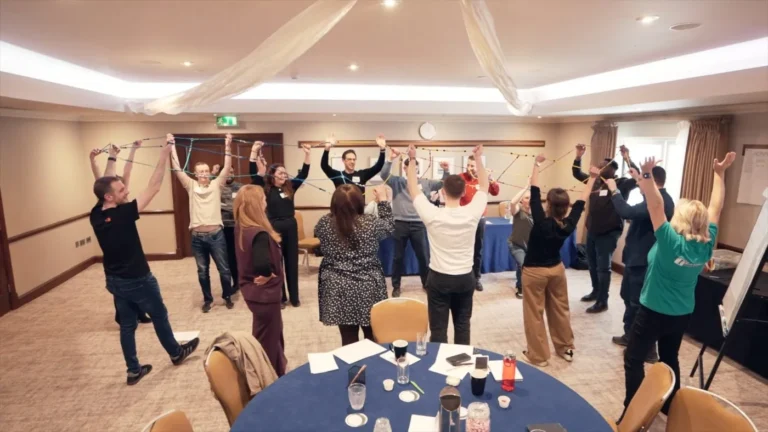 Team PerformanceMeta-Skills: What Are They? How Do We Develop Them in the Workplace?Read the article →
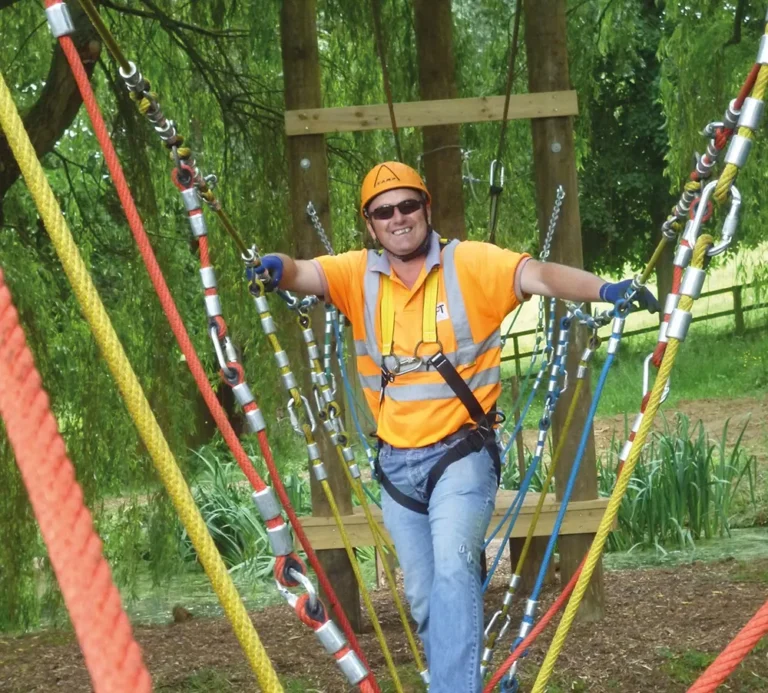 Team PerformanceThe Role of High-Pressure Environments in Developing Team SkillsRead the article →
 Leadership DevelopmentWhy leadership training doesn’t stick, and what makes it lastRead the article →
Want this team day to be the one that sticks?
45 minutes with our senior team. Tell us what you want to be different in three months, and your Team Snapshot follows within 48 hours.
Request a free Team Diagnostic45 minutes with our senior team→