
Why leadership training doesn’t stick, and what makes it last.
Most leaders leave a good course with new ideas and real intent. Six weeks later, very little has changed. Here’s why, and what makes the difference.
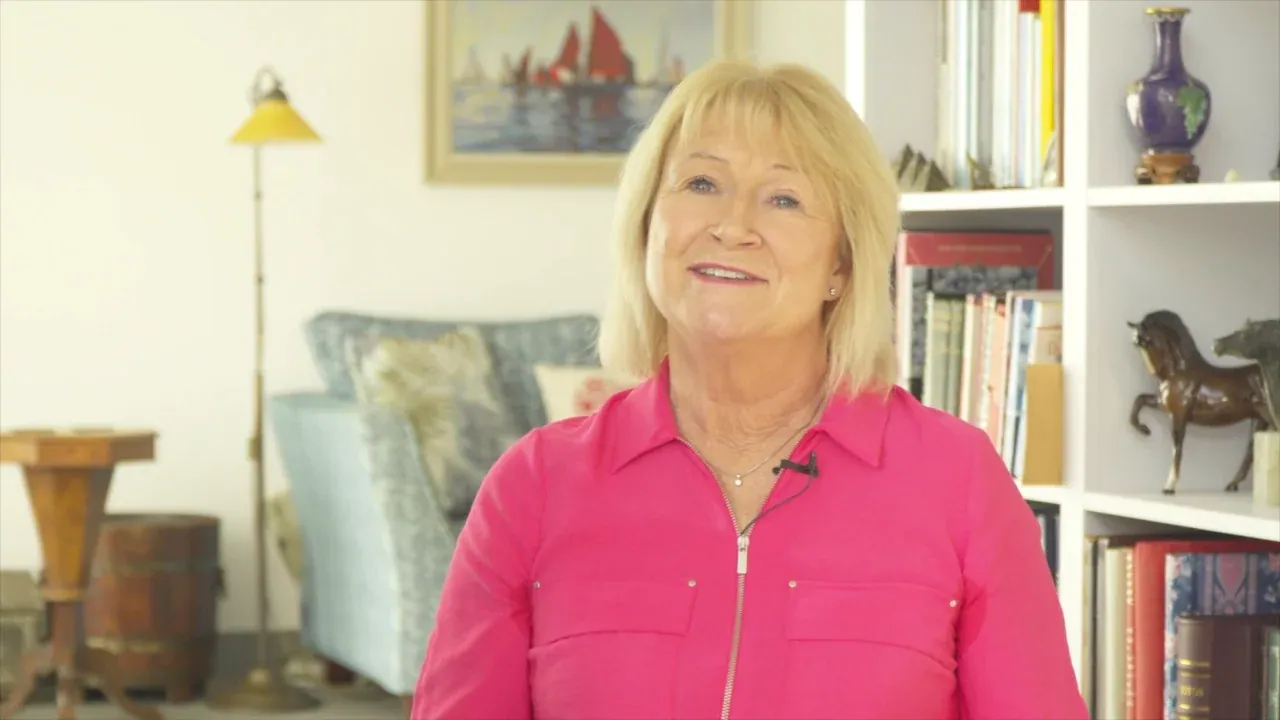 Lucy McGibbonFounder and CEO, Teamscapes
In short
- Leadership training fades when it teaches generic models instead of working on how a leader actually shows up.
- Leaders change when they practise on their own real situations, with time to reflect.
- The learning lasts when someone keeps asking about it afterwards: a coach, a peer group or their own team.
It’s one of the most common things HR and L&D teams tell us. The leadership course got great feedback. People said it was the best training they’d had. And yet, a couple of months on, the same leaders are having the same difficult conversations in the same way.
That isn’t a failure of the people in the room. It’s usually a sign the development was built to inform rather than to change.
Three reasons it fades
1. It teaches a model, not a person
Generic leadership models are useful, but they describe leaders in general. Each leader’s challenge is specific: the conversation they keep avoiding, the decision they keep delaying, the way they react under pressure. If the training never gets to that, it stays theory.
2. There’s no space to practise
Knowing what a good feedback conversation looks like is different from having one. Without a safe place to rehearse, people fall back on what they’ve always done the moment the pressure is real.
3. Nobody asks about it afterwards
Back at work, the course is quickly forgotten under the weight of the day job. If no one follows up, there’s nothing to keep the new behaviour going until it becomes a habit.
She has managed to find that confidence and self-esteem inside me, and has built me to the person I am today.
Hannah Padfield · Regional Network Manager (East), NFU
What makes it last
Start from who the leader is
When Hannah Padfield at the NFU came to coaching, she didn’t need a new leadership model. She wanted to give her team confident support, but wasn’t feeling that confidence herself. Six sessions drew out skills she already had, rather than starting from scratch. Development sticks when it builds on the person, not a template.
Make behaviour visible, safely
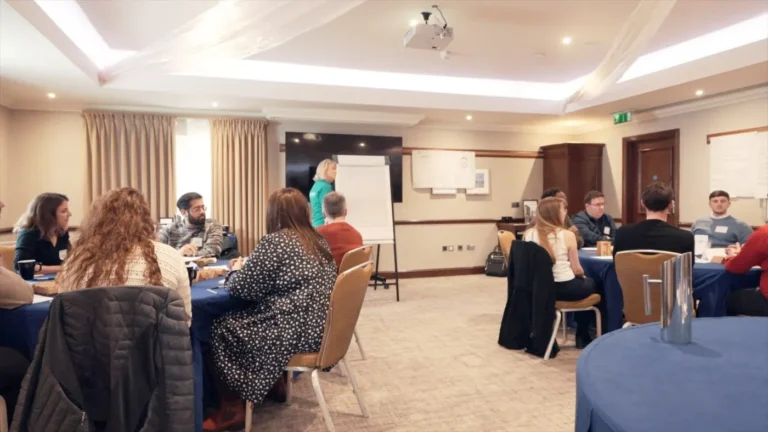
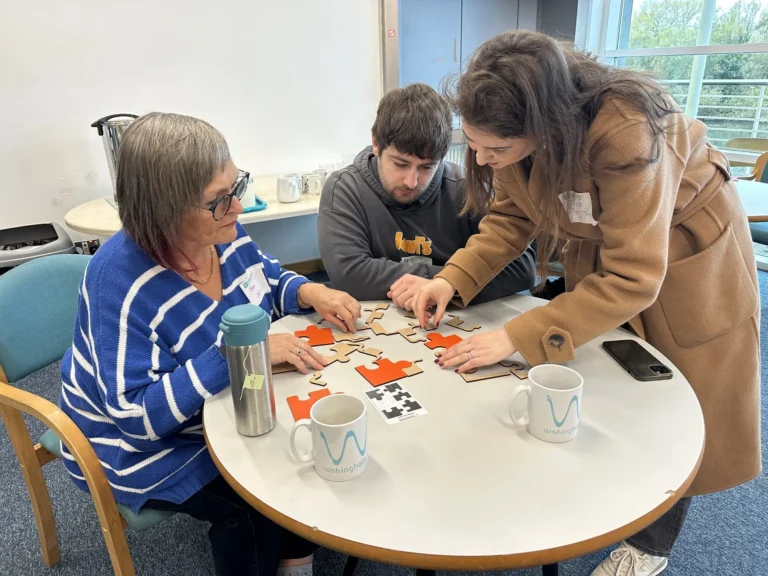
Experiential work shows leaders how they actually behave, not how they think they behave. With Lumina Learning’s senior team, we built reflection into every exercise, so differences in working style came out safely and turned into actions for the next morning.
Use a shared language
A tool like Lumina Spark gives leaders a practical way to understand themselves and the people around them, including how they change under pressure. It also gives a team words to keep talking about it.
Keep coming back
A series of sessions, each building on the last, beats one big event. It gives leaders time to try things, notice what happens and adjust. That rhythm is what turns insight into habit.
What Teamscapes really does is hold up a mirror to us. It takes us out of our day-to-day thinking and allows us to step back and really think about what we’re doing and where we’re going.
Andrew Barlow · Director & Head of Fund Management, Barwood Capital
If you only do one thing
Before your next leadership programme, ask each leader to name one real situation they want to handle differently. Build the development around those situations, and check back on them in six weeks.
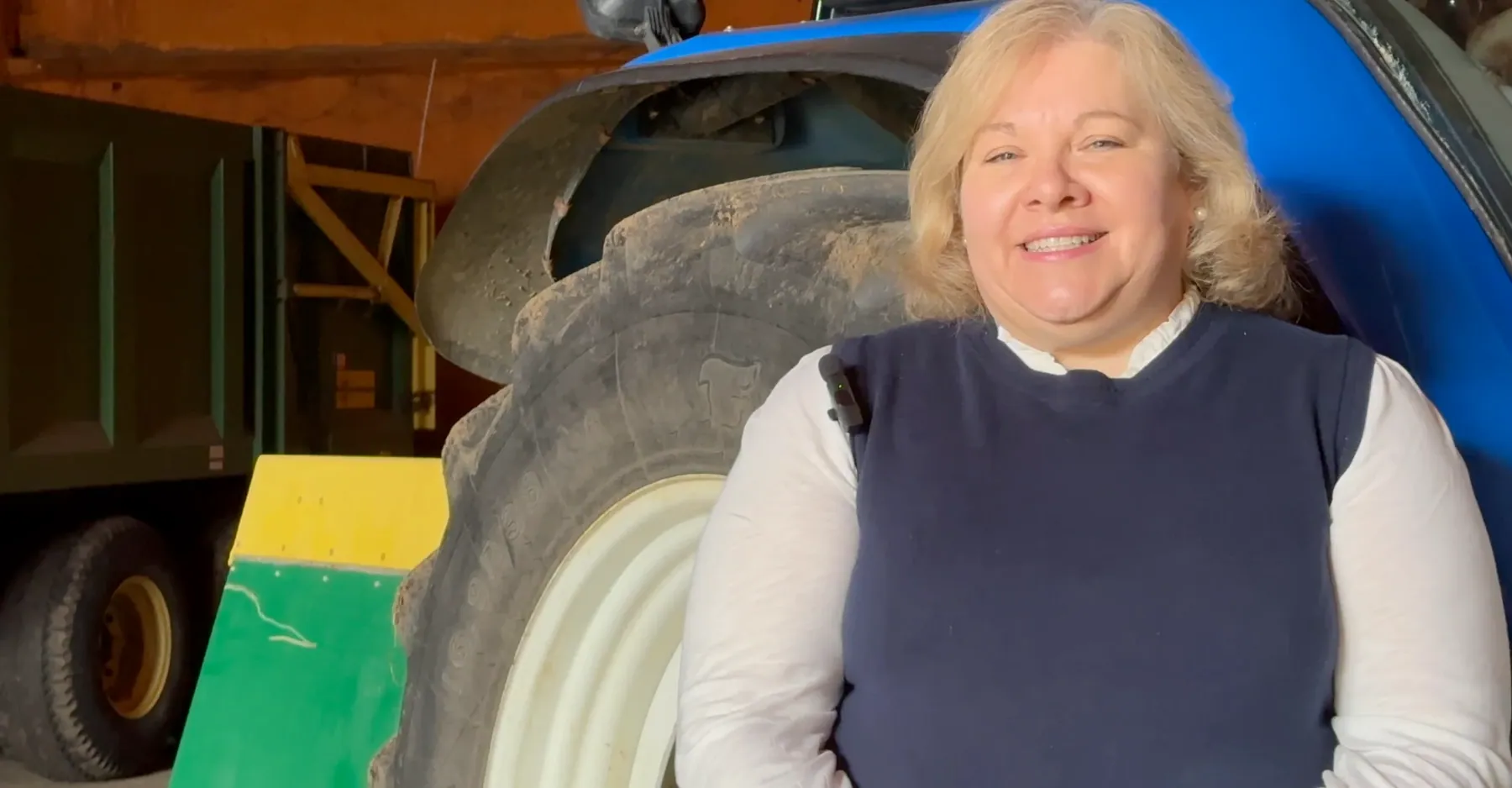 Client story · NFUSix sessions to lead with the confidence she wanted to show.Read the story →
Found this useful? Get the next one.
New articles from Lucy, only when there’s something worth reading. Unsubscribe any time.
More on leadership and how teams work.
Want leadership development that lasts?
45 minutes with our senior team. Tell us where your leaders are now and where they need to be, and your Team Snapshot follows within 48 hours.
Request a free Team Diagnostic45 minutes with our senior team→