
Why people resist change, and what helps them move with it.
People rarely resist change itself. They resist losing their footing. Giving them space to make sense of what’s changing does more than any announcement.
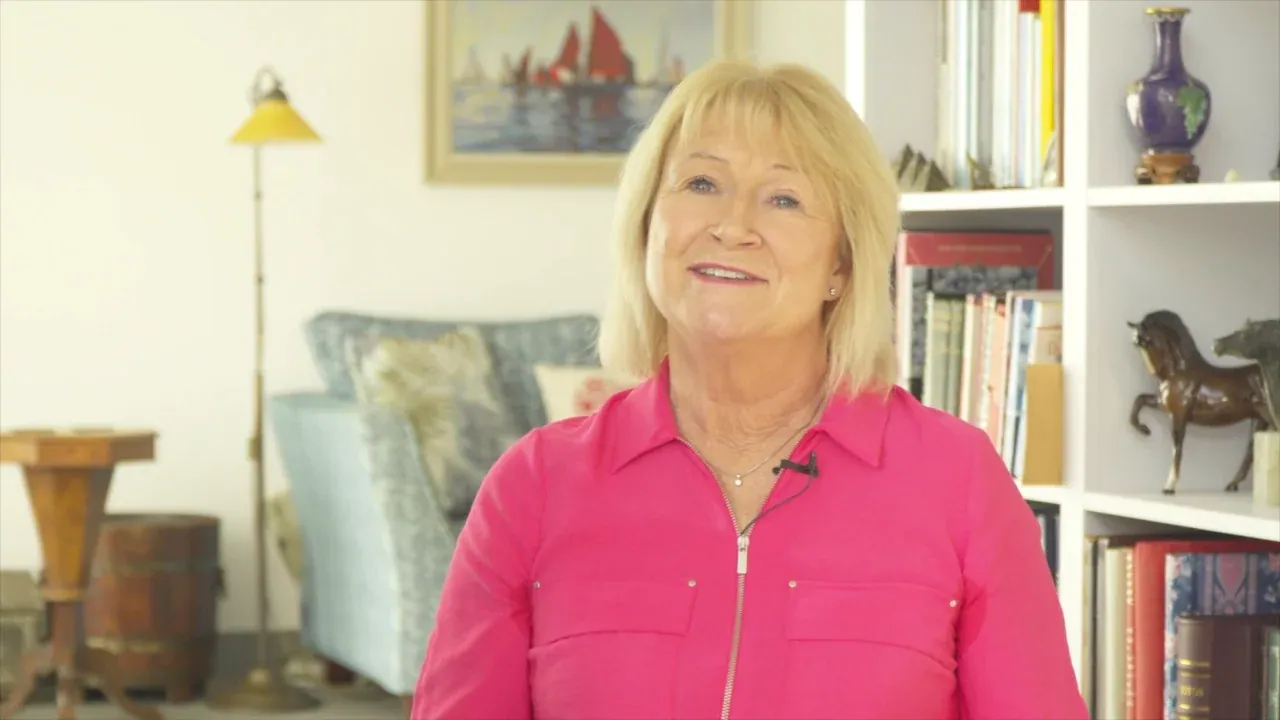 Lucy McGibbonFounder and CEO, Teamscapes
In short
- What looks like resistance is often people trying to make sense of what the change means for them.
- Change fatigue builds when changes pile up faster than people can absorb them.
- Three things help most: time to talk it through, a shared experience to rebuild connection, and visible next steps.
When a change isn’t landing, it’s tempting to explain it again, more clearly, with better slides. But most people already understand what’s changing. What they don’t yet know is what it means for them, their team and the way they work.
What resistance usually is
Resistance is often a sign that people are still working out where they stand. Who do I work with now? What’s expected of me? What happens to the things I was good at? Until those questions have somewhere to go, they come out as frustration, silence or quiet workarounds.
When changes pile up
Change fatigue rarely comes from one big change. It comes from several, overlapping, with no time in between to settle. Each new announcement lands on people who haven’t finished absorbing the last one.
Three ways to help people move with it
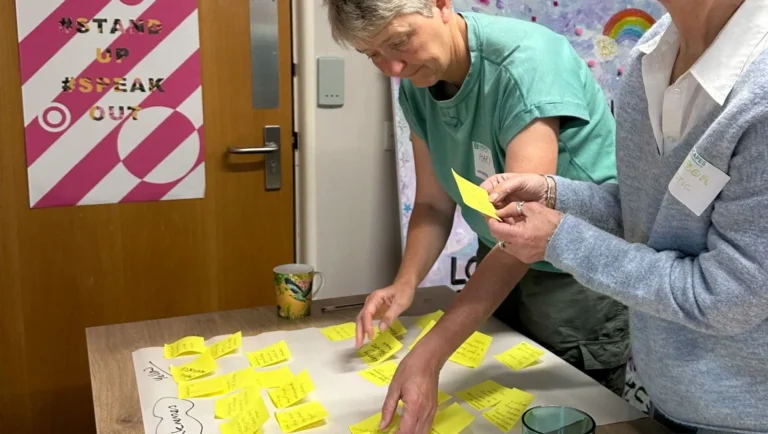
1. Give them space to talk it through
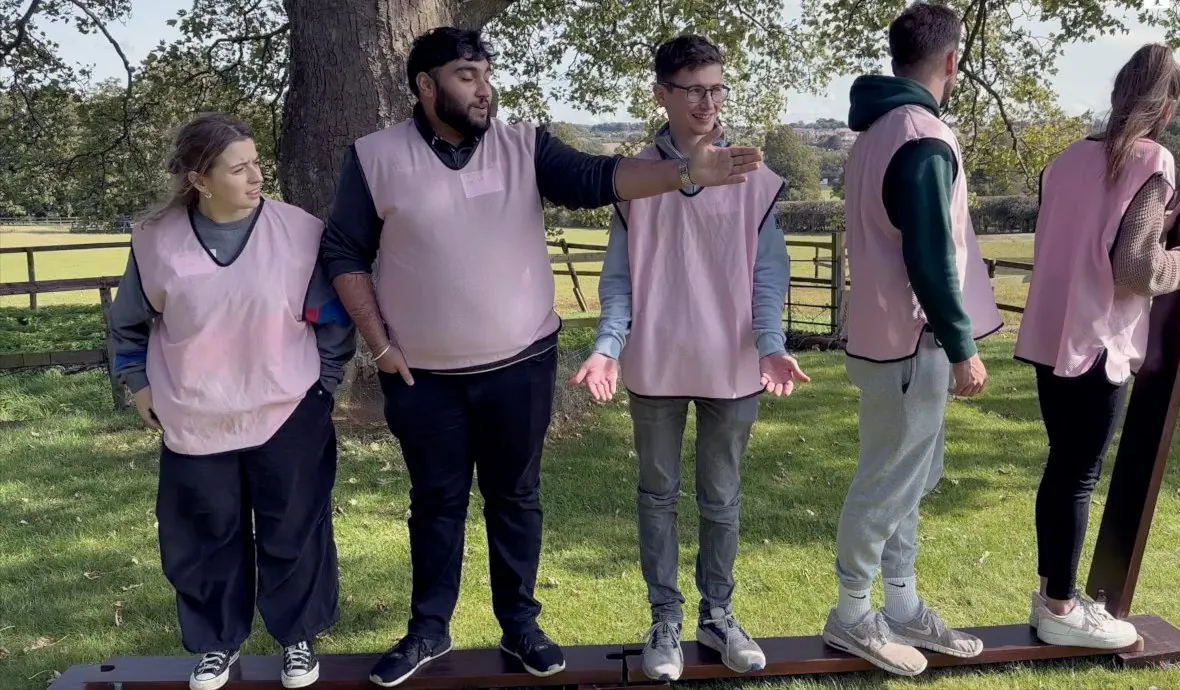
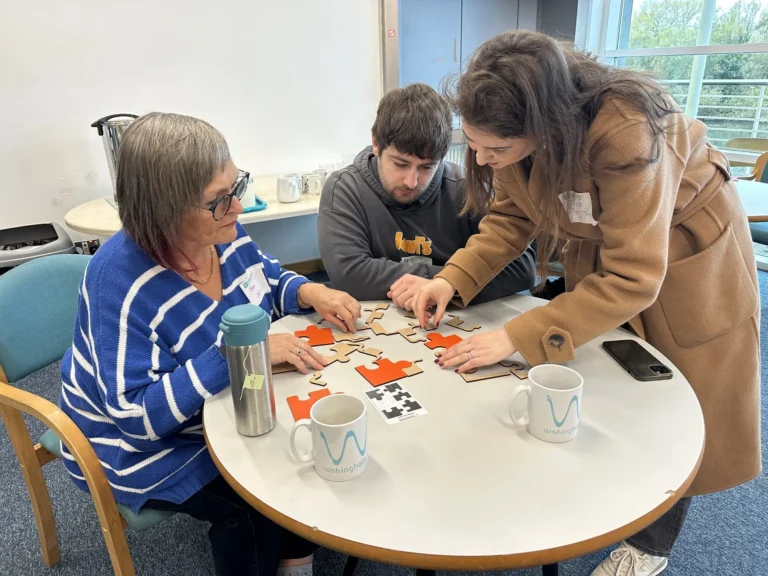
People need a structured, safe place to say what they’re worried about and hear how others see it. When Veolia’s HR team had been split into two units, the development day was designed around those dynamics and the sensitive issues behind them, so the conversation could happen openly.
The focus on teamwork created an excellent environment for open and honest communication among team members.
Keeley Jones · Head of HR – Commercial, Veolia
2. Rebuild connection through a shared experience
After a restructure, people often work alongside colleagues they barely know. A shared experience gives them something in common to build on, faster than months of meetings. At Mercedes-AMG, every cohort of new starters goes through an experiential induction so they arrive as a connected team, not a list of names.
3. Make the next steps visible
Uncertainty is easier to carry when people can see what happens next. End every session on specific, owned commitments, and come back to them a few weeks later. It shows the change is going somewhere, and that people have a hand in shaping it.
People come away with a focus to work on, and that learning translates back into the business for months afterwards.
Karl Wolff-White · HR & Learning and Development Manager, Mercedes-AMG HPP
If you only do one thing
Before the next announcement, ask your team what they’re still unsure about from the last one. The answers will tell you where to start.
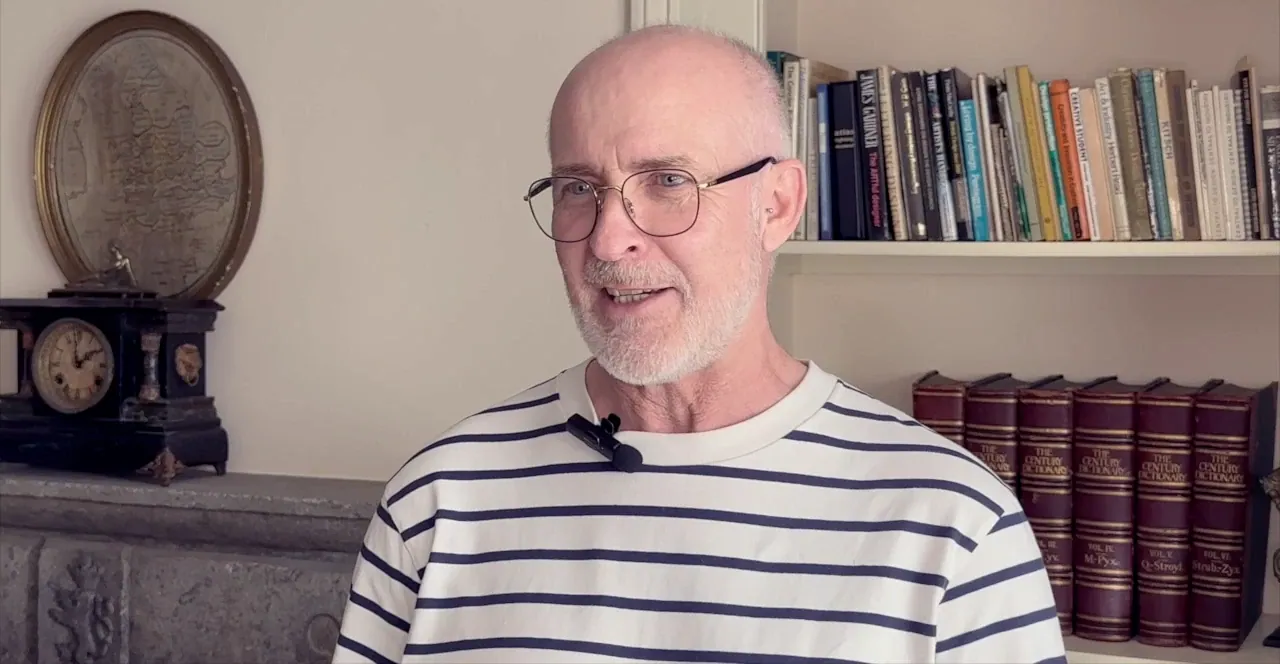 Client story · Mercedes-AMG150+ new starters a year, three years running, arriving as connected teams.Read the story →
Found this useful? Get the next one.
New articles from Lucy, only when there’s something worth reading. Unsubscribe any time.
More on change and trust.
Going through change? Let’s talk it through.
45 minutes with our senior team. Tell us what’s changing and how your team is taking it, and your Team Snapshot follows within 48 hours.
Request a free Team Diagnostic45 minutes with our senior team→